



🚦 1. Riding in the Real World — Malaysia’s Urban Challenge
If you’ve ever ridden through Kuala Lumpur during rush hour, you know it’s not for the faint-hearted.
Cars cutting lanes, delivery riders weaving through traffic, sudden stops, and unpredictable pedestrians — that’s the daily “urban jungle” many Malaysian riders face.
While most riders think power and balance are enough, the real survival skill in city riding is defensive awareness — knowing how to predict danger before it happens.
That’s why at MASRA Academy, defensive riding isn’t just about learning to ride — it’s about learning to read the road
🧠 2. What Is Defensive Riding in City Traffic?
Defensive riding means riding in a way that reduces risk — by anticipating what others might do and being ready to respond calmly.
It’s not about fear; it’s about awareness.
In city environments like Kuala Lumpur, Penang, and Johor Bahru, riders deal with:
• Sudden lane changes without signal
• Cars opening doors abruptly
• Pedestrians crossing between cars
• Traffic lights ignored by impatient drivers
• Buses and trucks blocking visibility
Defensive riding teaches you how to spot these signs early — before they turn into accidents.
⚙️ 3. The Golden Rules of Urban Defensive Riding
- Visibility Is Everything
- Keep yourself in the line of sight.
- Position your bike where drivers can see you in their mirrors. Avoid blind spots — especially near trucks and buses.
- Simple rule: If you can’t see their eyes, they can’t see you.
- Predict, Don’t React
- Instead of reacting to every car movement, learn to read body language of vehicles.
- For example, if a driver keeps glancing to the right, they’re likely about to switch lanes — be ready to slow down or move away.
- Space = Safety
- Maintain a safe buffer — at least 2 seconds behind the vehicle ahead.
- That space gives you reaction time when someone suddenly brakes or swerves.
- Watch the Surface
- City roads can be full of oil patches, potholes, or metal covers that get slippery in rain.
- A defensive rider always scans the road surface 10–15 meters ahead.
- Stay Mentally Cool
- Traffic jams can trigger frustration — but aggression is the enemy of control.
- Defensive riders keep emotions neutral, focus sharp, and hands steady.
🚧 4. Common Mistakes City Riders Make
Even experienced riders sometimes develop bad habits. These are the most common ones MASRA trainers notice:
• Tailgating — thinking staying close saves time, when it actually cuts your reaction window.
• Overconfidence in skill — “I’ve been riding for 10 years” isn’t the same as “I’ve been trained.”
• Ignoring blind spots — especially when filtering through tight lanes.
• Poor anticipation — failing to slow near junctions or traffic exits.
• Distraction — checking phones or GPS mid-lane.
Remember, defensive training isn’t about doubting your ability — it’s about refining it.
🏁 5. Why Defensive Training Matters for Urban Riders
Riding daily in the city means constant exposure to unpredictable drivers.
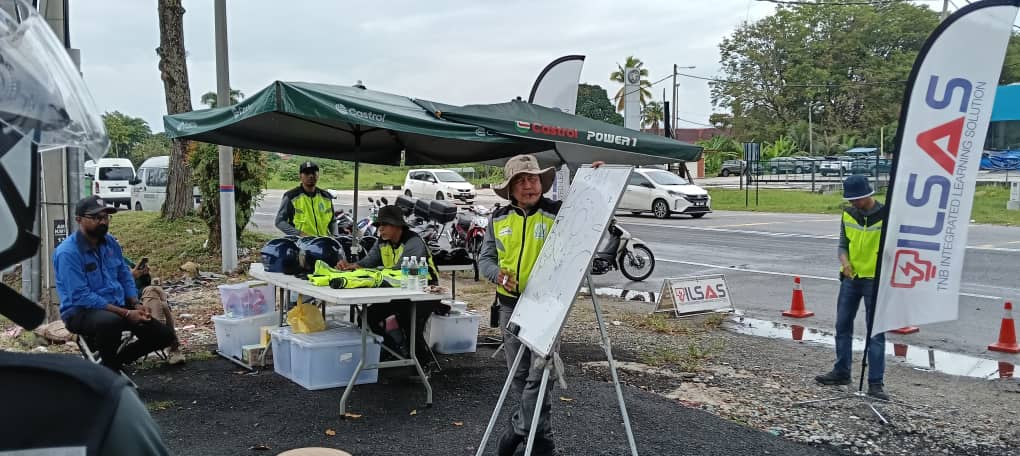
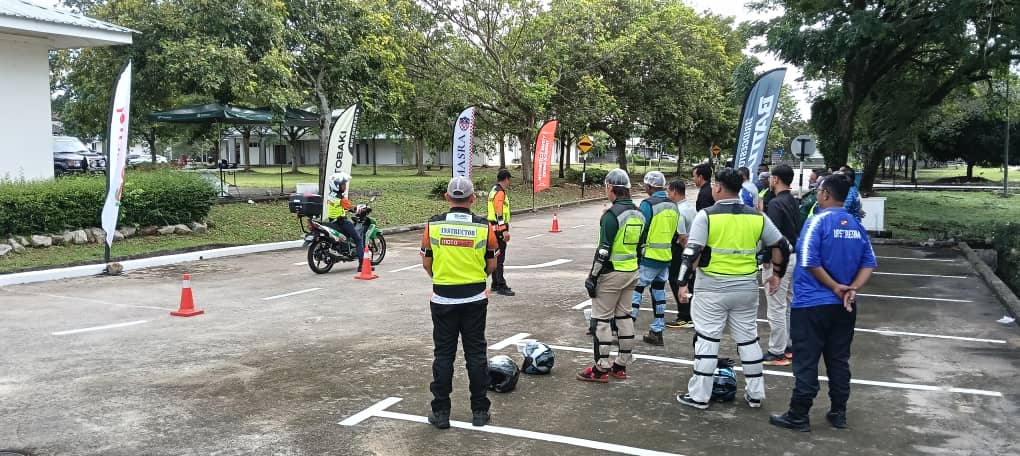
Defensive courses like those at MASRA Academy help riders develop habits that become second nature — smoother braking, smarter positioning, and calmer reactions.
Riders who’ve completed defensive courses often report:
• Fewer near-miss incidents
• Improved reaction time
• More confidence in peak-hour traffic
• Better understanding of vehicle behavior
These small changes save lives — not just your own, but everyone sharing the road.
🧩 6. Beyond Safety — The Bigger Picture
Defensive riding also benefits delivery and corporate riders.
Companies that invest in fleet defensive training see up to 40% fewer accidents, lower repair costs, and improved team morale.
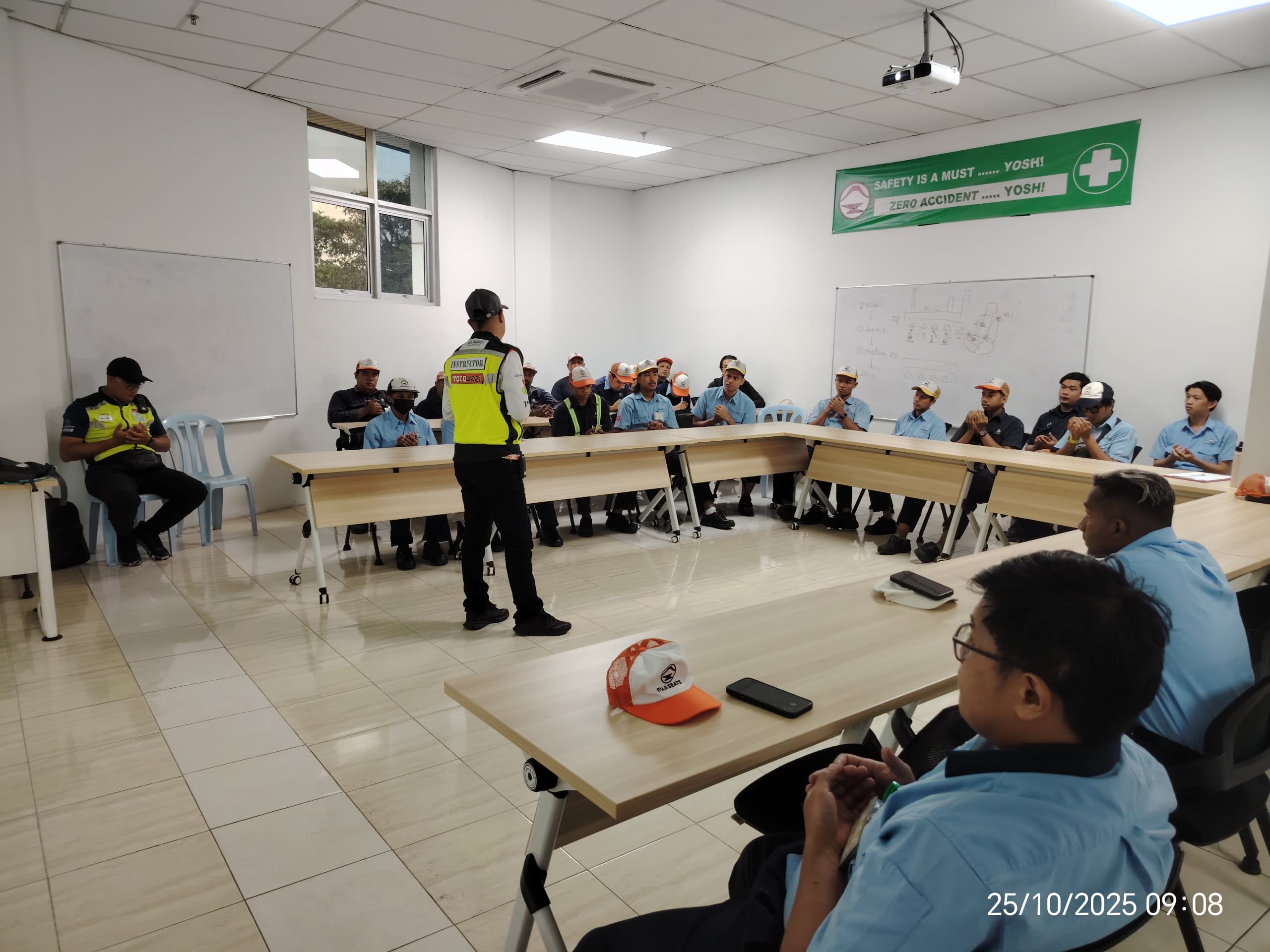
At MASRA, defensive training modules are designed for both individual riders and corporate safety programs — because safe riding is smart business.
🏍️ 7. Final Thoughts — Ride Smart, Arrive Safe
In Malaysia’s busy cities, you can’t control traffic — but you can control your mindset.
Defensive riding transforms how you ride:
From reactive to proactive,
From risky to ready,
From stressed to smooth.
Because the best riders aren’t just fast — they’re aware, calm, and always one step ahead.
Leave a Reply